













Diwali is a time for bright lights, family gatherings, sweets and beautiful traditions. For many Hindu families, it is also a time to offer prayers to Goddess Lakshmi and Lord Ganesha during Lakshmi Puja.
But why are these two deities worshipped together? What do they represent, and how can we explain this tradition to children?
The answer lies in what Goddess Lakshmi and Lord Ganesha are traditionally associated with: prosperity, wisdom and auspicious beginnings.
Why Is Goddess Lakshmi Worshipped on Diwali?
Goddess Lakshmi is traditionally associated with wealth, prosperity, abundance and good fortune. During Diwali, families pray to her for blessings that bring well-being and happiness into their homes.
But prosperity can mean much more than money. It can also mean having enough to meet our needs, good health, loving relationships, opportunities to learn and the ability to share what we have with others.
Diwali is a time when families often clean and decorate their homes before Lakshmi Puja. These preparations are part of welcoming the festival and, traditionally, inviting Goddess Lakshmi's blessings into the home.
How to explain it to a child:
You could say, “Goddess Lakshmi is associated with prosperity and abundance. During Diwali, we pray for our family to have what we need to live well and happily. We can also be grateful for what we already have and remember to share with others.”
Why Is Lord Ganesha Worshipped on Diwali?
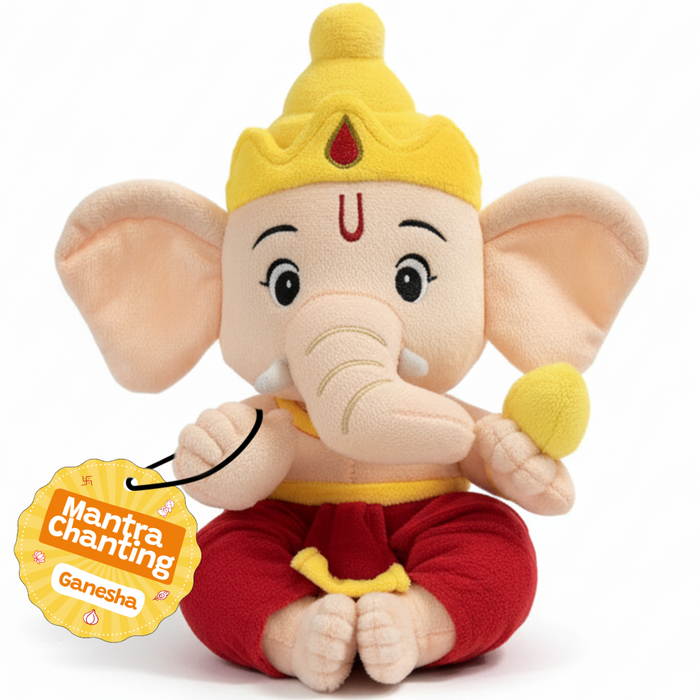
Lord Ganesha is widely known as the remover of obstacles and the deity associated with wisdom, learning and auspicious beginnings. He is often worshipped before starting something new, as families seek his blessings for a smooth and positive beginning.
During Diwali, Lord Ganesha is worshipped alongside Goddess Lakshmi. While Lakshmi is associated with prosperity and abundance, Ganesha represents the wisdom and good judgement that help us make thoughtful choices.
After all, having good things in life is wonderful, but knowing how to use them wisely matters too.
How to explain it to a child:
You could say, “Lord Ganesha reminds us to think carefully, learn from our mistakes and face challenges with courage. We pray to him for wisdom and help when we begin something new.”
Why Are Lakshmi and Ganesha Worshipped Together?
Goddess Lakshmi and Lord Ganesha represent qualities that complement each other. Lakshmi is associated with prosperity and abundance, while Ganesha is associated with wisdom and auspicious beginnings.
Worshipping them together during Diwali brings these blessings into one prayer: the hope for prosperity, along with the wisdom to make good choices and use what we have thoughtfully.
For children, this can be a simple way to understand the tradition. We all hope for good things in life, but we also need patience, kindness, knowledge and good judgement to make the most of them.
How to Talk to Children About Lakshmi and Ganesha
Children's questions are a lovely starting point for exploring traditions together. Here are a few ways to keep the conversation simple and relatable:
-
Talk about gratitude: Ask your child what they feel thankful for, from their favourite toys to the people who care for them.
-
Talk about wisdom: Ask what they might do if they face a difficult problem or need to make a choice.
-
Talk about sharing: Explain that abundance can also mean having enough to share with people who need help.
-
Invite their questions: If your child wants to know why a particular ritual is performed, explain what you know and explore the answer together.
These conversations can help children connect the ideas behind Lakshmi Puja with familiar experiences in their own lives.
Introducing Children to the Stories Behind Diwali
The deities children see during Diwali celebrations can spark plenty of curiosity. Who is Goddess Lakshmi? Why does Lord Ganesha have an elephant's head? And why do families offer prayers to them together?
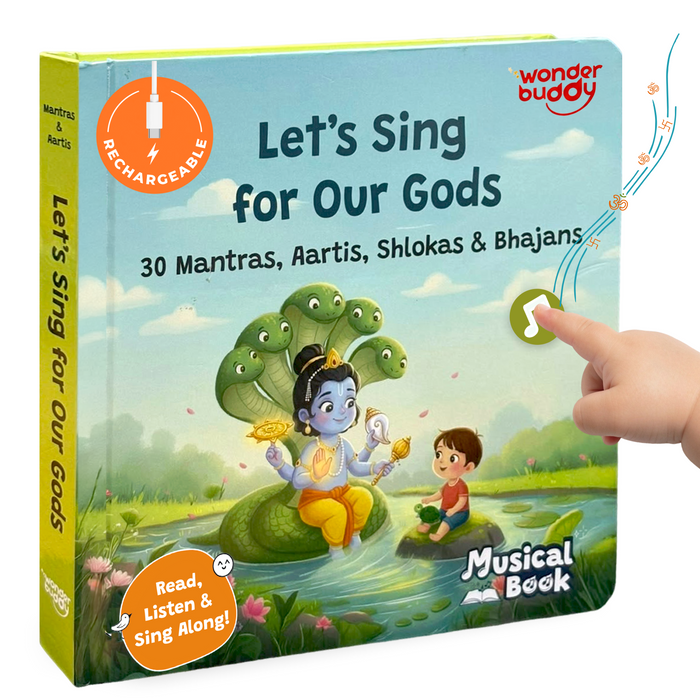
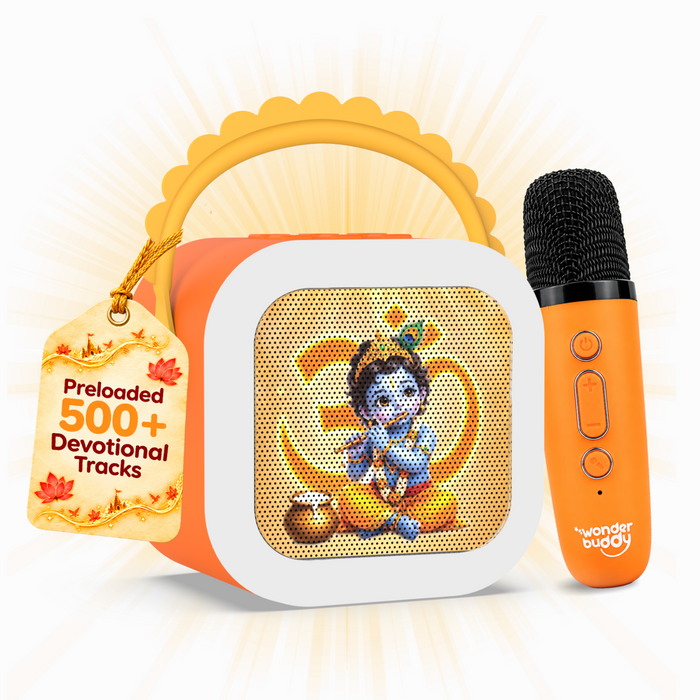
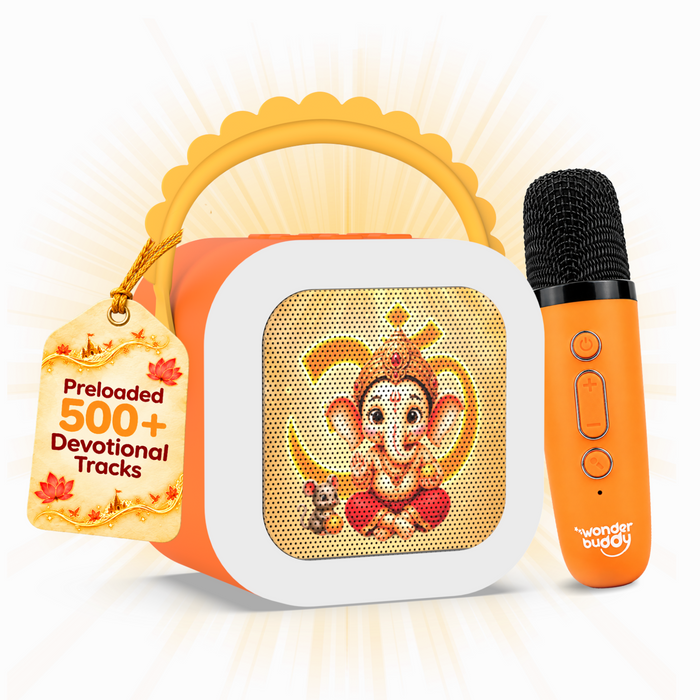
Sharing stories, answering these questions and explaining familiar rituals can help children discover the meaning behind the festival. Devotional listening can be another way to explore these traditions. WonderBuddy’s Bhakti StoryBox and Let’s Sing for Our Gods audio book introduce children to devotional stories, mantras and aartis, bringing these familiar sounds into their everyday listening.
Over time, these little moments of discovery can help children feel more connected to the stories and traditions their families celebrate each Diwali.
0 टिप्पणी